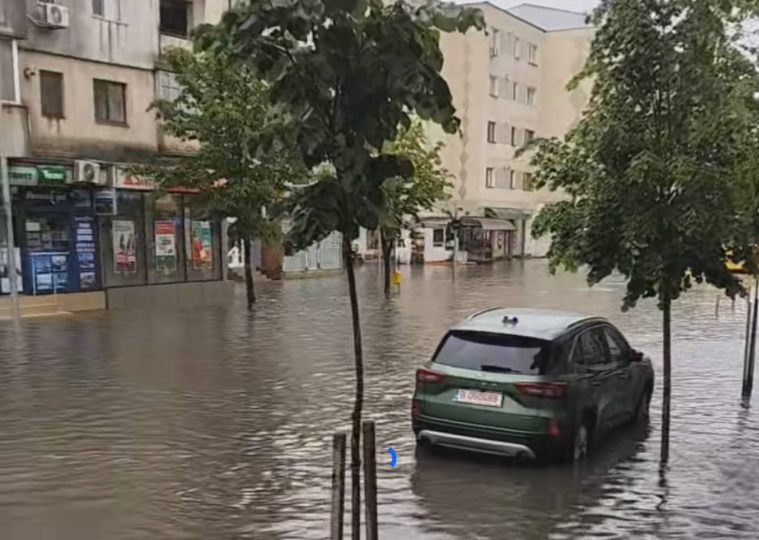

Extreme weather events are becoming more visible in our daily lives. Heavy rains can flood cities because drainage systems can’t handle the volume of water. At the same time, local authorities sometimes blame the weather instead of maintaining infrastructure, like clearing blocked drains.
This shows an important lesson: we can’t control natural events, but we can take concrete steps to reduce their impact and make our communities more resilient. Schools play a key role in teaching students these skills.
What students should learn:
Understanding environmental impact – How human activities and local decisions affect the environment and our quality of life.
Preventive and sustainable measures – The importance of green spaces, resilient infrastructure, rainwater management, and energy efficiency.
Civic responsibility – Students should know that authorities have duties, but citizens can also propose solutions and participate in local environmental projects.
Critical thinking and innovation – Instead of looking for who is “to blame,” students can develop practical solutions: risk reduction plans, green technologies, or community projects.
Individual and collective action – Small actions like saving water, planting trees, or recycling make a real difference when many people participate.
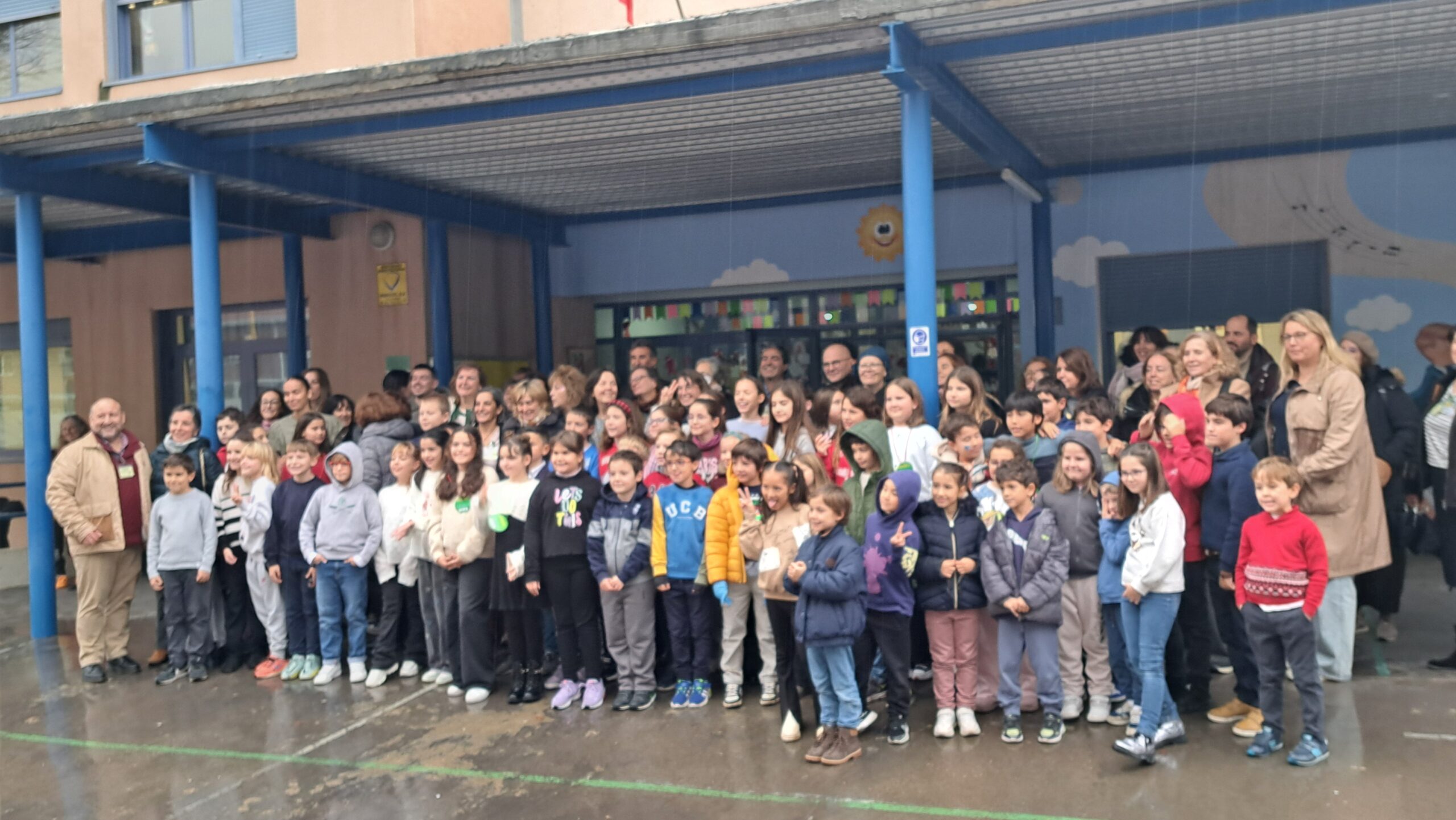
Education for sustainability shouldn’t just be theoretical. Projects like ECF4CLIM encourage learning by doing: students plan, experiment, and implement solutions for real-world challenges. This helps them understand not only climate-related issues but also their own power to contribute to lasting solutions.
Sustainability is a call to learn, act, and build resilient communities. Today’s students are tomorrow’s citizens – they need the knowledge and tools to be part of the solution.